

Personal information is shared online more frequently than ever, spanning financial records, work files, and everyday communication. Constant connectivity offers convenience, yet it also increases exposure to misuse and unauthorized access. Cybersecurity focuses on protecting digital information from theft, disruption, and data loss. Understanding basic online safety principles allows individuals to make informed decisions, reduce digital risk, and maintain greater control over personal information in an increasingly connected digital environment.
What Cybersecurity Really Means for Everyday Users
Cybersecurity refers to the practices and technologies used to protect digital systems and personal information from unauthorized access. While it may sound technical, cybersecurity affects everyday activities such as online shopping, email communication, and social media use. Any device connected to the internet can become a target if proper safeguards are not in place.
For individual users, cybersecurity focuses on awareness and prevention. Simple actions like recognizing suspicious messages, securing devices, and managing account settings play a significant role in reducing risk. Cybersecurity is not limited to experts or organizations; it is a shared responsibility that begins with everyday habits and informed decision-making.
Strong Passwords and Account Protection Matter
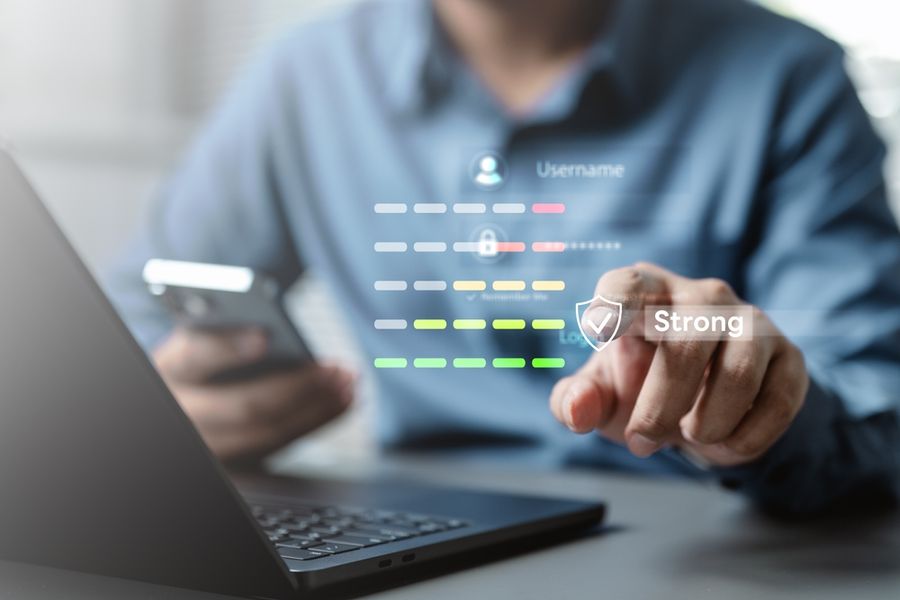
Passwords act as the first line of defense for online accounts. Weak or reused passwords make it easier for attackers to gain access to multiple services at once. Creating strong passwords that combine letters, numbers, and symbols significantly improves account security and reduces the likelihood of unauthorized entry.
Additional protection methods further strengthen accounts. Multi-factor authentication adds an extra verification step, often requiring a temporary code sent to a trusted device. This layer of security helps prevent access even if a password is compromised. Managing passwords carefully and updating them regularly helps maintain long-term protection across online platforms.
Recognizing Phishing and Online Scams
Phishing attacks attempt to trick users into sharing sensitive information by posing as trusted sources. Emails, text messages, and fake websites may imitate banks, service providers, or well-known companies. These messages often create urgency, encouraging quick action without careful review.
Recognizing warning signs reduces the risk of falling victim to scams. Unexpected requests for personal information, unfamiliar links, and spelling errors are common indicators of phishing attempts. Verifying the source before responding and avoiding unknown attachments helps prevent data exposure. Awareness remains one of the most effective tools for protecting personal information online.
Keeping Devices and Software Secure
Devices require ongoing attention to remain protected against evolving digital threats. Software updates frequently include security patches that address newly discovered vulnerabilities before they can be exploited. Delaying or ignoring updates increases exposure to malware, data breaches, and unauthorized access. Keeping operating systems, applications, and security software current strengthens defenses and ensures protection measures remain effective.
Physical security is just as important as digital safeguards. Locking devices with strong passcodes, biometric authentication, or pattern locks helps prevent unauthorized access if a device is lost or stolen. Using secure, password-protected networks and avoiding public Wi-Fi for sensitive activities further reduces risk. Together, digital maintenance and physical protections create a more resilient and secure technology environment.
Managing Privacy Settings and Shared Information
Online platforms collect and store significant amounts of personal data, often across multiple services and devices. Privacy settings give users control over how information is shared, who can access it, and how long it remains visible. Reviewing these settings regularly helps limit unnecessary exposure and reduces the amount of personal data available to advertisers, third-party applications, and unknown audiences.
Being thoughtful about what information is shared publicly is equally important. Personal details such as location, contact information, and daily routines can increase vulnerability to identity theft or targeted scams when shared openly. Adjusting visibility controls, limiting profile details, and sharing information selectively supports safer online interactions. Conscious data-sharing habits strengthen long-term privacy and reduce digital risk.
Staying Secure in a Connected World
Cybersecurity depends on consistent habits rather than one-time actions. Awareness, caution, and routine maintenance form the foundation of digital safety across devices and platforms. As online services continue to expand, understanding common risks helps users respond confidently without giving up convenience or accessibility.
Small protective steps taken regularly can significantly reduce exposure to threats over time. Updating software, reviewing account activity, and remaining alert to unusual behavior all contribute to stronger protection. When individuals take an active role in safeguarding personal information, technology becomes a safer and more manageable part of everyday life.