

AI-powered electric bikes are transforming urban transportation by combining efficiency, safety, and environmental benefits. They're innovative bikes that utilize artificial intelligence to optimize energy use, enhance safety features, and offer personalized riding experiences. As cities expand and environmental concerns rise, AI-powered e-bikes present a sustainable solution for modern commuting challenges, promising a greener future.
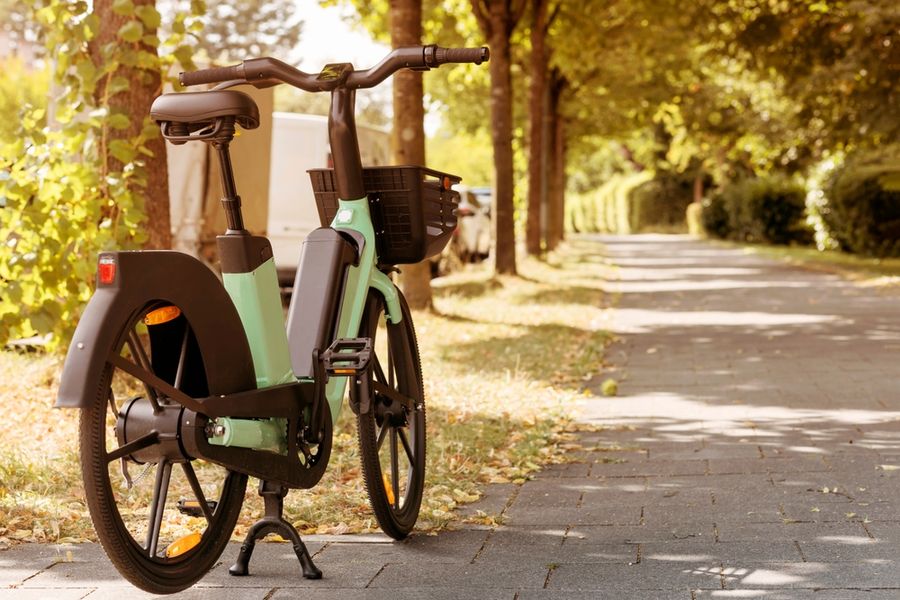
Introduction to AI-Powered Electric Bikes
AI-powered electric bikes are revolutionizing the way people commute, offering a blend of efficiency, safety, and environmental benefits. These bikes integrate advanced technologies to enhance the riding experience, making them a compelling choice for urban mobility. By leveraging artificial intelligence, these e-bikes optimize energy consumption, improve safety features, and provide a more personalized riding experience (source).
Environmental Benefits of AI-Powered Electric Bikes
One of the most significant advantages of AI-powered electric bikes is their environmental impact. These bikes produce significantly lower carbon emissions compared to traditional vehicles.
For instance, e-bikes emit only 2.5 to 5 grams of CO2 per mile, whereas electric cars emit around 150 grams per mile. AI optimization further enhances these benefits by enabling intelligent route planning and energy management, potentially reducing individual CO2 emissions by 225 kg annually (source).
Advanced Safety Features
AI-powered electric bikes are equipped with advanced safety features that significantly enhance rider security. These include smart sensors and algorithms that detect obstacles, predict risky situations, and adjust pedal assistance according to the environment.
Such systems contribute to a safer and smoother riding experience by providing adaptive braking and proximity alerts (source). Additionally, projects like Velo AI's CoPilot in Ann Arbor, Michigan, utilize AI to analyze data from rides, helping city planners identify high-risk areas and improve cycling infrastructure (source).
Energy Efficiency and Smart Features
AI-powered e-bikes utilize smart route planning to enhance efficiency. They incorporate terrain analysis, traffic integration, and weather adaptation to optimize power output, reduce energy waste, and extend battery life. This makes rides smoother and more energy-efficient (source).
Revolutionary battery technologies, such as intelligent charging cycles and regenerative braking optimization, further enhance energy efficiency by reducing charging times and converting kinetic energy into electrical energy.
Personalization and Connectivity
AI integration in electric bikes allows for a highly personalized riding experience. Riders can customize assistance levels, suspension, and motor response to suit their preferences.
Mobile app connectivity facilitates performance monitoring, route analysis, and integration with other smart devices, enhancing the overall riding experience (source). Voice-controlled intelligence, such as integrated ChatGPT, allows riders to control gears, lights, and navigation through voice commands, providing a hands-free experience.
Future of AI-Powered Electric Bikes
The future of AI-powered e-bikes promises further advancements such as autonomous navigation, voice assistant integration, and gesture recognition. These innovations will drive mobility advancements, enhancing sustainability, efficiency, and safety in electric biking (source). As AI technology continues to evolve, AI-powered e-bikes are expected to play a crucial role in achieving global carbon reduction goals and transforming urban transportation.
Why You Should Learn More About AI-Powered Electric Bikes Today
AI-powered electric bikes represent a significant leap forward in sustainable transportation. With their advanced safety features, energy efficiency, and personalized riding experiences, these bikes offer a compelling alternative to traditional vehicles.
As urban areas continue to grow and environmental concerns become more pressing, AI-powered e-bikes provide a viable solution for reducing congestion and carbon emissions. Understanding the benefits and potential of these innovative bikes can help individuals make informed decisions about their transportation choices and contribute to a more sustainable future.
Sources
AI technology enhances cycling safety with Velo AI's CoPilot project
AI optimization reduces carbon emissions in e-bikes
AI integration enhances battery management and safety in e-bikes