

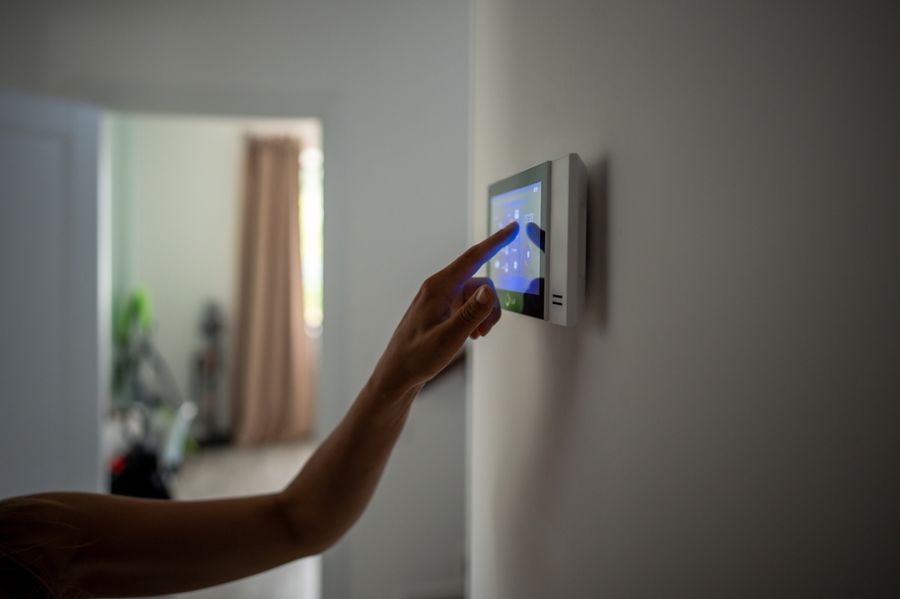
Smart home technology has become increasingly common, offering new ways to manage everyday tasks through connected devices. From lighting and thermostats to security systems and voice assistants, smart home tools promise greater convenience and control. At the same time, adopting connected technology raises questions about cost, privacy, and reliability. Understanding both the advantages and potential drawbacks helps households decide whether smart home solutions align with their needs and comfort level.
What Smart Home Technology Includes
Smart home technology refers to devices and systems that connect to the internet and can be controlled remotely or automated. Common examples include smart speakers, lighting systems, thermostats, door locks, cameras, and appliances. These devices often work together through mobile apps or centralized platforms, allowing users to manage multiple functions from a single interface.
Automation is a key feature of smart homes. Devices can respond to schedules, environmental changes, or user behavior. Lights may turn off automatically, thermostats can adjust based on occupancy, and security systems can send alerts in real time. This interconnected setup is designed to streamline household management and improve daily efficiency.
Convenience and Efficiency Benefits
One of the biggest advantages of smart home technology is convenience. Remote access allows users to control devices from anywhere, whether adjusting temperature, checking security cameras, or turning off forgotten lights. Voice control and automation reduce the need for manual adjustments, saving time and effort throughout the day.
Smart devices can also improve energy efficiency. Automated lighting and climate controls help reduce unnecessary energy use by responding to occupancy and usage patterns. Over time, these efficiencies may lower utility costs and reduce environmental impact. For many households, convenience and efficiency are key motivations for adopting smart home systems.
Enhanced Security and Monitoring Features
Smart home technology often includes a range of security and monitoring tools designed to increase awareness and control. Smart locks, cameras, doorbells, and alarm systems allow users to monitor entry points and activity in real time. Notifications can be sent when doors open, motion is detected, or unexpected events occur, helping users stay informed even when they are not physically present.
These systems also provide detailed visibility into household activity. Video recordings, access logs, and time-stamped alerts offer insights that traditional security systems may not provide. Remote access allows users to check cameras, lock doors, or adjust security settings from a mobile device. While smart security tools do not replace traditional safety measures entirely, they add an additional layer of monitoring and reassurance that supports modern home security needs.
Privacy and Data Concerns
Despite the convenience smart home technology offers, privacy remains a significant concern for many households. Connected devices often collect data related to daily routines, usage patterns, and personal preferences. This information may be stored on external servers or shared across platforms to support functionality and improvements. When data handling practices are unclear, users may face increased risk of unauthorized access or misuse.
Security vulnerabilities add another layer of concern. Devices with weak passwords, outdated firmware, or unsecured networks are more susceptible to hacking attempts. Regularly reviewing privacy settings, updating software, and using strong authentication methods helps reduce exposure. Understanding how data is collected and shared allows users to balance convenience with control and maintain greater confidence in connected systems.
Cost, Compatibility, and Reliability Challenges
Smart home technology can require a significant financial investment. While individual devices may appear affordable, building a connected ecosystem often involves purchasing multiple components. Additional costs may include installation services, subscription fees, and future replacements as technology evolves. Over time, these expenses can add up, making long-term affordability an important consideration.
Compatibility challenges can also affect usability. Devices from different manufacturers may not integrate smoothly, resulting in fragmented systems or limited automation options. Dependence on internet connectivity further impacts reliability, as service outages can disrupt device functionality. Evaluating compatibility, support, and long-term reliability helps households avoid frustration and unexpected limitations.
Weighing Comfort Against Control
Smart home technology provides increased comfort, automation, and insight into household activity. Features like remote access and automated routines simplify daily tasks and enhance efficiency. However, these benefits come with trade-offs related to privacy management, ongoing costs, and system maintenance.
Finding the right balance depends on individual priorities and comfort levels. Some households value convenience and automation, while others prioritize data control and simplicity. By carefully weighing benefits against potential drawbacks, users can adopt smart home solutions that align with their needs without introducing unnecessary complexity or risk.