

Traveling for the first time can be exciting, but unfamiliarity with planning and logistics often leads to avoidable mistakes. Small oversights can affect budgets, schedules, and overall enjoyment. Many common travel errors stem from unrealistic expectations or lack of preparation rather than poor decision-making. Understanding where first-time travelers often run into trouble helps create smoother, more enjoyable trips. With awareness and thoughtful planning, many early travel challenges can be avoided altogether.
Overpacking or Packing the Wrong Items
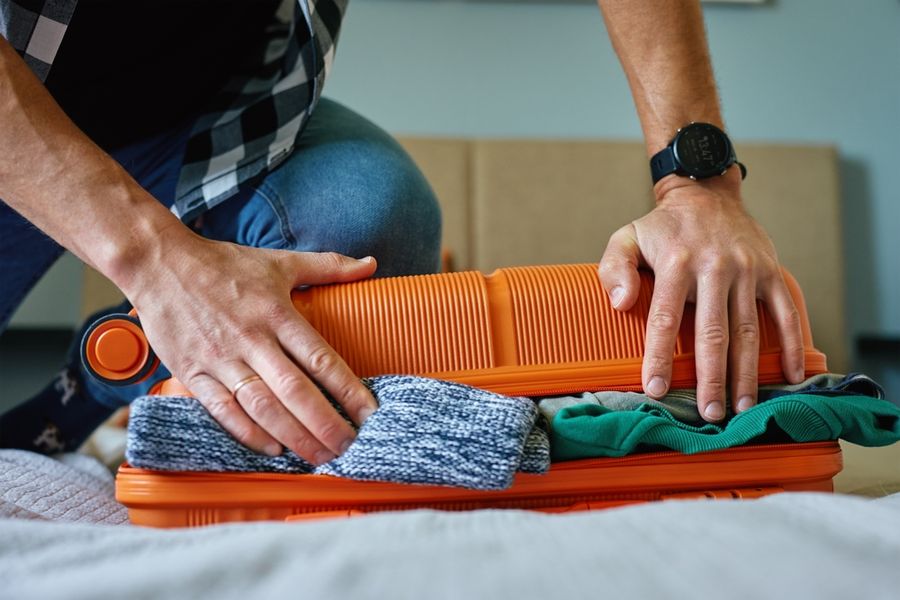
One of the most common mistakes first-time travelers make is overpacking. Bringing too many items can make transportation difficult, increase baggage fees, and add unnecessary stress. Travelers often pack for every possible scenario instead of focusing on realistic needs based on destination, climate, and trip length.
Packing the wrong items can also create challenges. Inappropriate footwear, missing essentials, or unsuitable clothing may lead to discomfort or unexpected expenses. Reviewing weather forecasts, planned activities, and luggage restrictions helps create a more practical packing list. Thoughtful packing improves mobility and reduces frustration throughout the trip.
Underestimating Travel Time and Fatigue
First-time travelers often underestimate how long travel actually takes. Flight delays, long layovers, border control, and transportation transfers can extend travel days significantly. Overly ambitious schedules that do not account for delays may result in missed connections or rushed experiences.
Fatigue is another overlooked factor. Jet lag, time zone changes, and long travel days can affect energy levels and mood. Scheduling rest periods and allowing time to adjust helps travelers remain comfortable and engaged. Recognizing the physical demands of travel supports better planning and more enjoyable experiences.
Skipping Research on Destinations and Logistics
Lack of research can lead to confusion and missed opportunities. Travelers may arrive without understanding local transportation options, cultural norms, or operating hours for attractions. This can result in wasted time or unexpected expenses.
Researching destinations in advance helps set realistic expectations. Learning about transportation systems, currency usage, and basic etiquette reduces uncertainty. Familiarity with local customs also supports respectful interactions. Preparation allows travelers to navigate destinations more confidently and avoid unnecessary complications.
Overlooking Budget Details and Hidden Costs
Many first-time travelers focus on major expenses such as flights and hotels while overlooking smaller costs that add up quickly. Fees for baggage, seat selection, transportation, and activities can strain budgets without careful tracking.
Currency exchange rates, transaction fees, and tipping customs also influence total spending. Creating a detailed budget that accounts for daily expenses helps prevent financial surprises. Awareness of hidden costs supports better financial planning and reduces stress during the trip.
Not Allowing Enough Flexibility in Plans
Overplanning is a common mistake among first-time travelers who want to make the most of every moment. Tight schedules often leave little room for delays, rest, or unexpected opportunities. Transportation disruptions, long lines, or changes in weather can quickly cause carefully planned itineraries to fall behind. When plans feel rushed or unachievable, stress increases and enjoyment tends to decrease.
Building flexibility into travel plans allows travelers to adapt more easily to changing circumstances. Allowing down time between activities creates space for rest, exploration, or spontaneous discoveries. Flexible itineraries reduce pressure and support a more relaxed pace. When travelers feel comfortable adjusting plans, destinations become easier to enjoy and experiences feel more natural and rewarding.
Ignoring Health, Safety, and Documentation Needs
Health, safety, and documentation details are sometimes underestimated by first-time travelers, yet they play a critical role in a smooth trip. Forgetting medications, failing to check vaccination requirements, or overlooking travel insurance can create serious complications. Even minor health issues become more stressful when proper preparation is missing, especially in unfamiliar environments.
Documentation mistakes are also common. Expired passports, missing visas, or lack of backup copies can disrupt travel plans entirely. Carrying both digital and physical copies of important documents adds security. Understanding local safety guidelines, emergency numbers, and healthcare access helps travelers respond calmly if issues arise. Preparation supports confidence and peace of mind throughout the journey.
Learning From Experience to Travel With Confidence
Mistakes are a natural part of early travel experiences, but awareness helps reduce their impact. Each challenge offers an opportunity to learn what works best for future trips. Reflecting on what caused stress or confusion allows travelers to adjust planning habits and expectations over time.
Confidence grows with experience. As travelers become more familiar with logistics, budgeting, and decision-making, trips feel less overwhelming. Thoughtful preparation combined with flexibility creates a stronger foundation for enjoyable travel. Learning from common mistakes helps transform uncertainty into confidence, making future journeys smoother and more rewarding.