

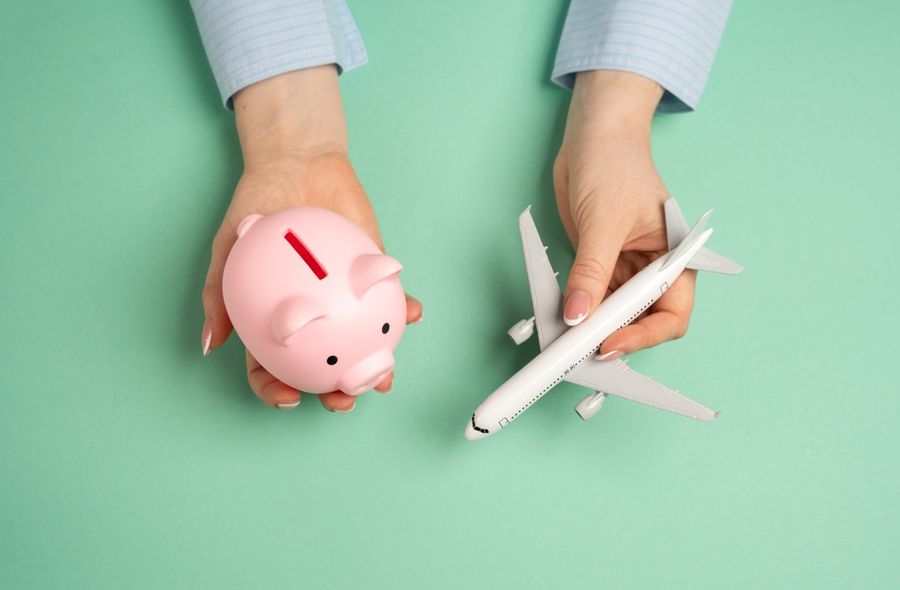
Travel can be a rewarding experience, but expenses often add up quickly without careful planning. Transportation, accommodations, meals, and activities all influence the total cost of a trip. Many travelers assume saving money requires sacrificing comfort or enjoyment, yet small decisions can make a meaningful difference. Understanding where costs typically arise and how to manage them helps travelers make smarter choices. With practical strategies and mindful planning, travel can remain both enjoyable and budget-conscious.
Planning Ahead to Control Travel Costs
Advance planning plays a major role in managing travel expenses. Booking transportation and accommodations early often provides access to better pricing and more options. Comparing rates across multiple platforms helps identify reasonable price ranges and avoid overpaying. Flexibility with travel dates can also reduce costs, as prices often fluctuate based on demand.
Creating a basic budget before booking helps set realistic expectations. Estimating expenses for lodging, transportation, food, and activities provides a clearer picture of total costs. Planning ahead allows travelers to prioritize spending and identify areas where savings are possible without impacting the overall experience.
Choosing Affordable Transportation Options
Transportation is often one of the largest travel expenses. Comparing flight prices across different airlines and considering alternate airports may reveal more affordable options. Traveling during less busy times or choosing routes with longer layovers can also reduce airfare costs.
For shorter distances, trains, buses, or car rentals may offer better value than flights. Public transportation often costs less than taxis or rideshare services, especially in cities with reliable transit systems. Choosing transportation options based on distance, convenience, and cost helps travelers stay within budget while maintaining flexibility.
Saving on Accommodations Without Sacrificing Comfort
Accommodation costs vary widely depending on location, timing, and lodging type. Hotels, vacation rentals, hostels, and guesthouses all offer different pricing structures. Comparing options across multiple platforms helps identify accommodations that balance comfort and affordability.
Staying slightly outside city centers can reduce nightly rates while still offering access to attractions through public transportation. Booking accommodations with kitchens or breakfast options may also reduce food expenses. Choosing lodging that aligns with travel needs rather than luxury expectations supports meaningful savings throughout the trip.
Managing Food Expenses While Traveling
Dining costs can increase quickly when every meal is purchased at restaurants. Balancing dining experiences with simple meals helps control food spending. Grocery stores, markets, and bakeries offer affordable options for breakfasts or snacks while traveling.
Trying local eateries away from tourist-heavy areas often results in lower prices and more authentic experiences. Setting a daily food budget helps maintain balance without feeling restricted. Thoughtful food planning allows travelers to enjoy local cuisine while avoiding unnecessary overspending.
Finding Affordable Activities and Experiences
Activities and attractions contribute significantly to travel expenses. Researching options ahead of time helps identify lower-cost or included experiences. Museums, parks, walking tours, and cultural events often offer affordable or discounted entry on specific days.
Exploring destinations on foot allows travelers to experience neighborhoods without added cost. Many cities provide visitor passes that bundle transportation and attractions at reduced rates. Choosing a mix of paid and low-cost activities helps maintain an engaging itinerary while keeping expenses manageable.
Avoiding Common Spending Pitfalls
Unexpected expenses can quickly increase travel costs if they are not anticipated. Fees related to currency exchange, international transactions, and foreign ATM withdrawals often go unnoticed until after purchases are made. Reviewing bank and credit card policies before departure helps travelers choose payment methods that minimize added charges. Airline baggage fees and seat selection costs can also add up without careful planning.
Convenience-based spending is another common pitfall. Frequent purchases of snacks, bottled drinks, or last-minute transportation options may seem minor but accumulate over time. Souvenirs purchased impulsively can also strain budgets. Taking a moment to evaluate purchases helps travelers focus spending on meaningful experiences rather than unnecessary extras.
Making Smart Choices for Sustainable Savings
Long-term travel savings are built through consistent, thoughtful decisions rather than drastic sacrifices. Small adjustments in daily spending habits often result in noticeable savings by the end of a trip. Choosing accommodations with practical amenities, using public transportation, and balancing dining choices all contribute to financial sustainability.
When spending aligns with personal priorities, travel becomes more enjoyable and less stressful. Budget-conscious decisions allow greater flexibility to adjust plans or extend experiences. Sustainable saving habits help travelers maintain control over expenses while still fully engaging with destinations. With mindful planning, financial awareness supports richer and more rewarding travel experiences.