

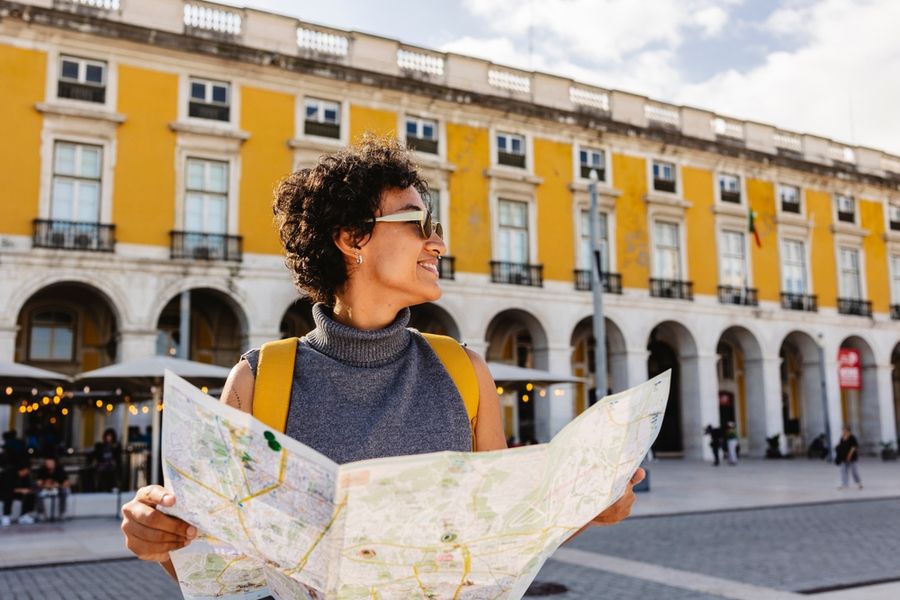
Solo travel offers a unique opportunity for independence, reflection, and personal growth. Traveling alone allows individuals to move at their own pace, make spontaneous decisions, and engage more deeply with destinations. At the same time, solo trips require thoughtful preparation to ensure safety and comfort. Understanding how to plan effectively helps solo travelers feel confident, prepared, and open to meaningful experiences while exploring new places on their own.
Understanding the Appeal of Solo Travel
Solo travel appeals to people for many reasons, including flexibility, self-discovery, and independence. Without the need to coordinate schedules or preferences, travelers can shape itineraries entirely around personal interests. This freedom often leads to more immersive experiences and a stronger sense of connection to destinations.
Traveling alone also encourages personal growth. Navigating unfamiliar environments builds confidence and problem-solving skills. Solo travelers often find themselves more open to conversation and cultural exchange. Understanding the benefits of solo travel helps set positive expectations and reinforces the value of thoughtful preparation.
Choosing Destinations That Support Solo Travelers
Destination choice plays a significant role in solo travel experiences. Locations known for reliable transportation, walkable areas, and clear signage tend to feel more manageable for independent travelers. Destinations with strong tourism infrastructure often provide added reassurance.
Safety, accessibility, and cultural attitudes toward solo travelers should also be considered. Researching local customs, common scams, and neighborhood safety helps travelers make informed choices. Choosing destinations that align with comfort levels allows solo travelers to explore confidently while minimizing unnecessary stress.
Planning Accommodations With Safety and Comfort in Mind
Accommodations are especially important for solo travelers. Staying in well-reviewed hotels, hostels, or rentals with clear communication and secure access adds peace of mind. Locations near public transportation or central areas reduce travel time and simplify logistics.
Room features such as secure locks, front desk support, and reliable internet access can enhance comfort. Reading reviews from other solo travelers provides valuable insight into safety and atmosphere. Choosing accommodations thoughtfully creates a dependable base for daily exploration.
Staying Aware and Practicing Personal Safety
Awareness is one of the most important safety tools for solo travelers. Paying attention to surroundings, trusting instincts, and avoiding risky situations help reduce potential issues. Keeping valuables secure and limiting visible displays of wealth supports personal safety.
Sharing travel plans with trusted contacts adds an extra layer of reassurance. Carrying copies of important documents and knowing emergency contact numbers prepares travelers for unexpected situations. Practicing situational awareness allows solo travelers to navigate destinations with confidence and calm.
Managing Logistics and Daily Planning Independently
Solo travelers benefit from organized daily planning without rigid schedules. Understanding transportation options, operating hours, and local norms helps streamline movement throughout the day. Flexible planning allows adjustments without pressure.
Keeping essential information accessible, such as addresses, reservations, and maps, reduces stress. Digital tools can support navigation and communication, while offline backups ensure preparedness. Independent planning encourages confidence and smoother transitions between activities.
Balancing Independence With Social Connection
Solo travel does not require isolation. Opportunities for social interaction often arise naturally through group tours, shared accommodations, or local events. Participating in activities encourages connection without compromising independence.
At the same time, solo travelers can enjoy solitude when desired. Balancing social moments with personal time supports emotional well-being. Choosing when to engage and when to recharge allows solo travelers to shape experiences that feel fulfilling and comfortable.
Building Confidence Through Preparation and Experience
Confidence grows through preparation and experience. Research, planning, and realistic expectations help solo travelers feel equipped to handle challenges. Each successful decision reinforces independence and adaptability.
Traveling alone encourages self-reliance and awareness. Over time, unfamiliar situations become easier to navigate. With preparation and openness, solo travel becomes less intimidating and more rewarding, offering lasting memories and personal growth.
Embracing the Freedom of Traveling Alone
Traveling alone offers a unique sense of freedom that comes from complete independence. Solo travelers can adjust plans without compromise, spend time where interest leads, and move at a comfortable pace. This autonomy allows for deeper exploration and more personal engagement with destinations.
Freedom also encourages reflection and self-discovery. Without distractions or external expectations, travelers often connect more deeply with their surroundings and themselves. Thoughtful planning supports safety while preserving flexibility. When independence and preparation work together, solo travel becomes an empowering and enriching experience that leaves lasting impressions well beyond the journey itself.