

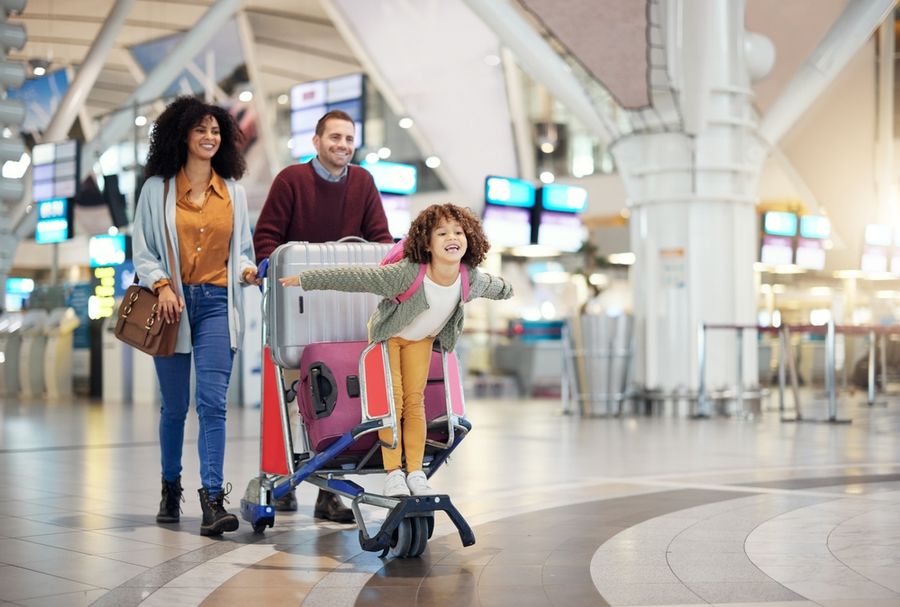
Traveling with children can be rewarding, but it also requires thoughtful planning and flexibility. Different ages bring different needs, routines, and expectations that can shape the entire travel experience. From transportation and accommodations to daily schedules, small decisions can have a big impact on comfort and enjoyment. With realistic preparation and a family-focused approach, trips with kids can feel more manageable and enjoyable for everyone involved.
Choosing Destinations That Support Family Needs
Selecting the right destination sets the tone for a successful family trip. Locations with child-friendly attractions, walkable areas, and accessible transportation often reduce stress. Destinations that offer parks, museums, beaches, or interactive activities provide opportunities for children to stay engaged without constant planning.
Practical considerations matter just as much as entertainment. Availability of medical facilities, grocery stores, and family-oriented accommodations can make daily logistics easier. Travel distance and time zone changes should also be considered, especially for younger children. Choosing destinations that align with family routines helps create a smoother overall experience.
Planning Transportation with Comfort in Mind
Transportation can be one of the most challenging aspects of traveling with kids. Long flights, road trips, or train rides require planning around comfort, breaks, and entertainment. Scheduling travel during nap times or choosing shorter routes can reduce fatigue and restlessness.
Preparing for delays and transitions helps maintain calm. Snacks, activities, and familiar items provide comfort and distraction. Car seats, strollers, and child safety equipment should be planned in advance to avoid last-minute stress. Thoughtful transportation planning supports smoother travel days and more positive experiences.
Packing Strategically for Family Travel
Packing for family travel requires a careful balance between preparation and simplicity. Overpacking can create clutter and make transportation more difficult, while underpacking may lead to last-minute purchases or discomfort during the trip. Clothing suited for expected weather, along with a few backup outfits, helps address spills, changes in plans, or unexpected delays. Choosing versatile items that can be mixed and layered reduces the overall amount packed without sacrificing comfort.
Familiar items play an important role in helping children adjust to new environments. Favorite toys, books, or blankets provide reassurance and a sense of routine away from home. Medications, basic first aid supplies, and important documents should be stored in easily accessible locations. Thoughtful packing keeps essential items close at hand, supports flexibility throughout the trip, and reduces stress for both children and adults.
Choosing Accommodations That Work for Families
Accommodations play a major role in shaping a family travel experience. Space, layout, and available amenities can significantly affect comfort, especially during longer stays. Family-friendly lodging often provides features such as separate sleeping areas, cribs, extra bedding, or kitchen access, which help maintain routines and reduce daily stress. Vacation rentals and family rooms in hotels can offer added flexibility for meals, naps, and downtime.
Location is just as important as interior features. Staying close to major attractions, public transportation, or grocery stores reduces unnecessary travel time and fatigue. Safety considerations, quiet surroundings, and reliable climate control contribute to better rest for both children and adults. Choosing accommodations that support family needs helps create a stable and comfortable home base throughout the trip.
Building Flexible Daily Schedules
Flexibility is essential when traveling with children, as energy levels and moods can change quickly. Overpacked itineraries often lead to stress and disappointment when plans need to shift. Creating loose daily schedules allows families to enjoy key activities while leaving room for rest, exploration, or spontaneous moments that arise naturally.
Balancing structured activities with downtime helps prevent overstimulation. Quiet breaks, unplanned playtime, or early evenings can restore energy and improve overall moods. Alternating busy days with lighter ones supports cooperation and enjoyment. Flexible planning encourages a relaxed pace, making it easier to adapt to unexpected changes without frustration.
Creating Positive Travel Experiences for Everyone
Positive family travel experiences are built on realistic expectations and shared enjoyment rather than perfect execution. Open communication helps children understand plans and feel included, while patience allows adults to respond calmly to challenges. Involving kids in small decisions, such as choosing activities or snacks, fosters engagement and cooperation.
Travel provides opportunities for learning, bonding, and building confidence. Challenges become part of the experience rather than obstacles. With thoughtful preparation, flexibility, and a focus on connection, family trips can create lasting memories. When comfort and enjoyment are prioritized, travel becomes a rewarding experience for everyone involved.